Document Storage for California Small Businesses
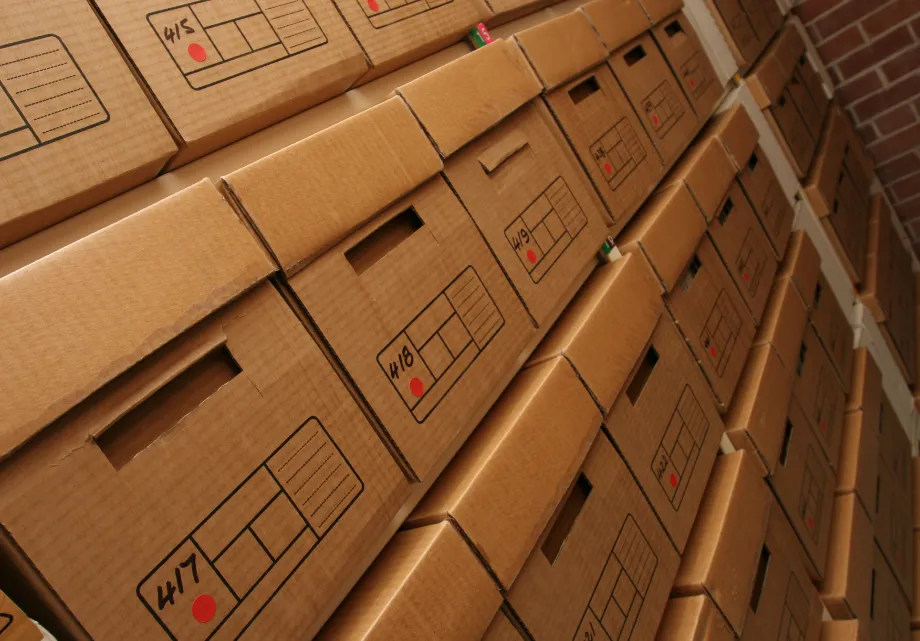
Running a small business in California means paperwork never really stops. Invoices, payroll records, contracts, and tax returns pile up year after year, and knowing what to keep, and for how long, isn’t always straightforward. This guide covers general document retention timelines and how small business storage can keep those records organized without taking over office space.
A note before you get started: this is general information, not legal or tax advice. Retention rules vary by industry and change over time, so confirm specifics with your accountant or attorney before setting a schedule for your business.
How Long Should California Businesses Keep Business Records?
Requirements vary by document type and industry, but a few general guidelines apply to most small businesses:
- Tax returns and supporting documentation (receipts, invoices, bank statements): commonly kept for at least seven years, covering the IRS’s typical audit window.
- Payroll and wage records: California Labor Code generally calls for at least three years, though many businesses keep four to match IRS guidance.
- Personnel files: California’s Civil Rights Department requires keeping records for at least four years from the date of creation or termination.
- I-9 forms: kept for three years after hire or one year after termination, whichever is later.
- Contracts and legal documents: often kept for the life of the agreement plus several years afterward, depending on the statute of limitations for written contracts.
What to Store With Care
Some documents carry more risk if lost or damaged, so it helps to store them apart from day-to-day paperwork:
- Signed contracts and leases
- Tax filings and supporting records
- Employee files and payroll history
- Business licenses, permits, and incorporation documents
- Insurance policies
Keeping these in labeled, sealed containers within a storage unit makes them easy to locate if you need them for an audit, a legal matter, or a records request.
Why Self Storage Works for Small Business Records
Office space in California is expensive, and filing cabinets full of years-old paperwork take up room that could otherwise go toward staff, inventory, or equipment. If you’ve been searching for document storage in California, self storage is often a more affordable option than renting extra office space or an off-site records center. Trojan Storage’s commercial storage options are built for exactly this: a place for records, extra inventory, and seasonal supplies that doesn’t require expanding the office. For businesses storing paper long-term, a climate-controlled unit helps protect documents from the temperature swings that can warp paper or fade ink over time.
Beyond Documents: Other Commercial Storage Solutions
Document storage is often just one piece of what a small business needs from a unit. Retailers and service businesses also use commercial storage for excess inventory, seasonal displays, and equipment that doesn’t fit in a retail or office space. This guide to managing inventory in a 10×10 unit is a useful starting point for sizing a unit around both records and stock. Many business owners also use the new year as a natural checkpoint to reorganize and clear out what’s no longer needed.
Keep Records Organized Without Losing Office Space
Good recordkeeping is part of running a business in California, and where those records live matters just as much as how long you keep them. Trojan Storage has commercial storage locations throughout California sized for everything from a few boxes of files to a full inventory and document archive.
Frequently Asked Questions About Document Storage
Most small businesses keep tax returns and supporting documentation for at least seven years, though specific requirements can vary. Check with your accountant for guidance based on your business type.
Sealed, labeled containers in a dedicated storage unit keep sensitive records separate from everyday office paperwork and reduce the chance of misplacing them.
Yes. Self storage lets small businesses keep records off-site in an organized unit rather than filling office space with filing cabinets, and units are sized to fit anywhere from a few boxes to a full records archive.
Not always, but a climate-controlled unit can help protect paper documents from extreme swings in temperature over long storage periods.